
Food is much more than something we eat to stay energized Food . It is connected to culture, creativity, health, celebrations, memories, and everyday routines. From traditional family recipes to new food trends spreading across social media, the way people discover, prepare, and enjoy food continues to change.
In 2026, food lovers have more choices than ever. People are exploring different cuisines, experimenting with ingredients, looking for convenient meal ideas, and becoming more interested in how food is produced and prepared.
Whether you enjoy cooking at home, discovering new flavors, trying restaurants, or simply finding easier meal ideas, the world of food offers something interesting to explore.
Why Food Trends Keep Changing
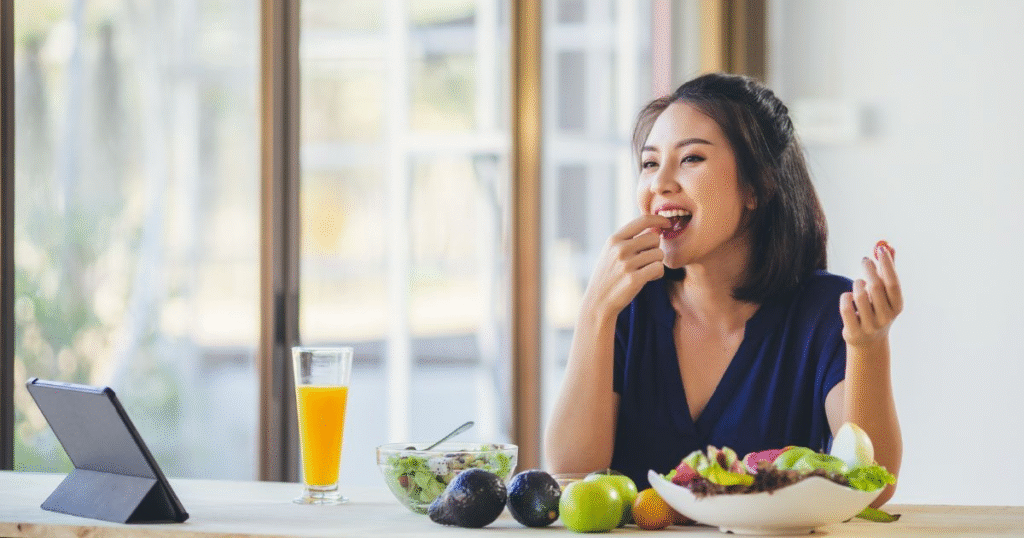
Food trends are influenced by many things. Social media can turn a recipe into a global trend within days, while travel introduces people to ingredients and dishes they may never have tried before.
Health awareness, changing lifestyles, technology, sustainability, and food availability also influence what people choose to eat.
A simple recipe can become popular because it is easy to prepare, visually appealing, affordable, or adaptable to different preferences.
| Factor | How It Influences Food |
|---|---|
| Social media | Makes recipes and food ideas easier to discover |
| Travel | Introduces people to new cuisines |
| Health awareness | Encourages interest in balanced food choices |
| Technology | Makes cooking and food discovery more convenient |
| Sustainability | Increases interest in responsible food choices |
| Lifestyle changes | Creates demand for quick and practical meals |
Exploring New Flavors
Trying new flavors is one of the easiest ways to make everyday meals more interesting. You do not always need an elaborate recipe or expensive ingredients. Sometimes, adding a new herb, spice, sauce, or cooking technique can completely change a familiar dish.
For example, a basic roasted vegetable dish can take on a different character with Mediterranean herbs, Indian spices, Asian-inspired sauces, or a simple homemade dressing.
Experimenting with food is also a great way to learn. You discover which ingredients work together, which flavors you enjoy, and how small changes can improve a dish.
Simple Ways to Try Something New
- Pick one unfamiliar ingredient and find an easy recipe for it.
- Try a dish from a cuisine you have not explored before.
- Experiment with herbs, spices, and homemade sauces.
- Change the cooking method of a familiar ingredient.
- Recreate a favorite restaurant dish at home.
Popular Recipe Ideas for Everyday Cooking
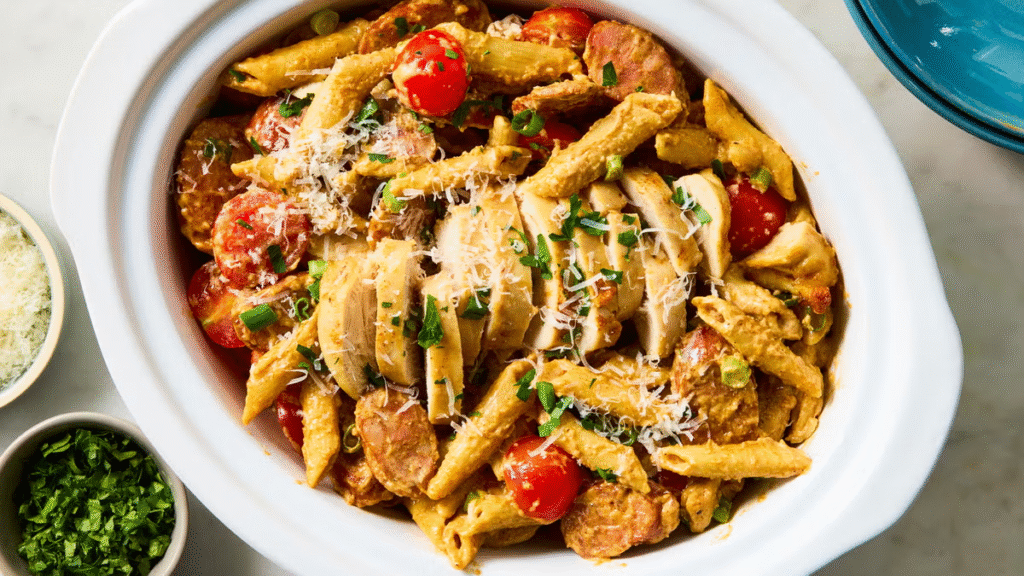
Not every meal needs to be complicated. In fact, some of the most useful recipes are the ones that fit easily into a busy schedule.
Quick breakfasts, one-pan meals, simple salads, homemade snacks, and easy dinners can make everyday cooking less stressful.
The key is to choose recipes that match your time, ingredients, cooking skills, and preferences.
| Meal Type | Easy Idea |
|---|---|
| Breakfast | Vegetable omelet, overnight oats, or smoothie bowl |
| Lunch | Grain bowl, wraps, salad, or simple rice dish |
| Snack | Roasted snacks, fruit combinations, or homemade dips |
| Dinner | Stir-fry, pasta, soup, or one-pan vegetables |
| Dessert | Yogurt parfait, fruit bowl, or simple baked treat |
Food and Health: Finding a Practical Balance
Healthy eating does not have to mean following complicated rules or completely avoiding your favorite foods.
A practical approach is to focus on variety and balance. Different foods provide different nutrients, textures, and flavors, so including a broad range of ingredients can make meals both enjoyable and satisfying.
Fresh vegetables, fruits, whole grains, protein-rich foods, and suitable sources of healthy fats can all have a place in a balanced eating pattern.
At the same time, individual nutritional needs can vary. What works for one person may not work for another, particularly when someone has specific dietary requirements or health considerations.
The goal is to build eating habits that are realistic, enjoyable, and sustainable rather than treating food as a collection of strict rules.
Global Cuisines at Your Table
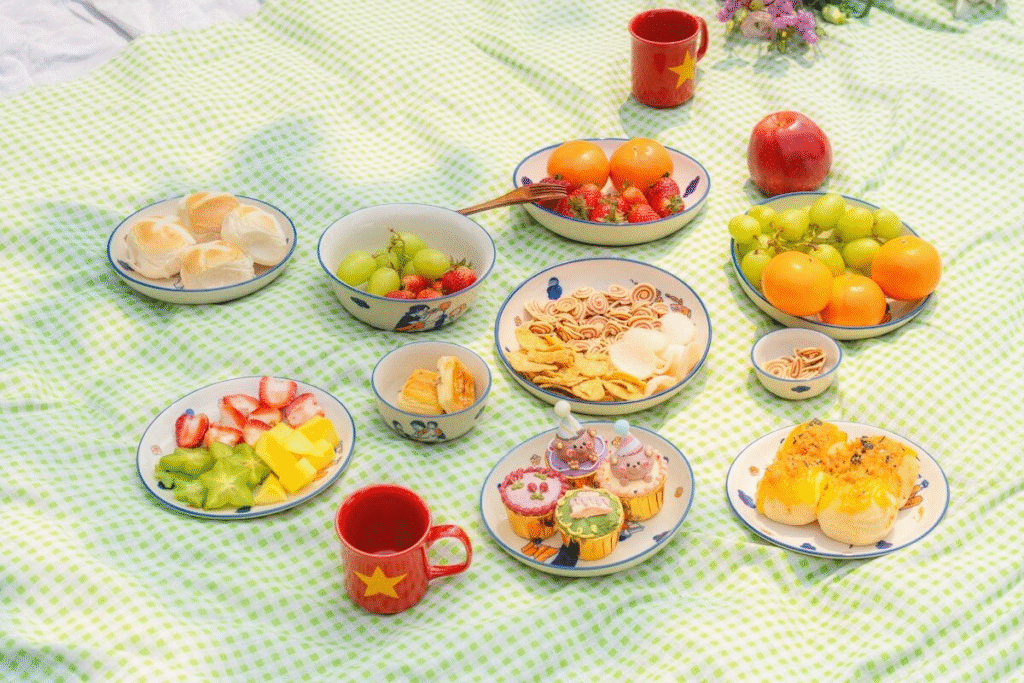
One of the most exciting parts of modern food culture is how easily people can discover international cuisines.
A single meal can introduce you to ingredients, cooking traditions, and flavors from another part of the world.
| Cuisine | Common Flavor Characteristics |
|---|---|
| Indian | Spices, herbs, aromatic sauces |
| Italian | Herbs, tomatoes, cheese, olive oil |
| Japanese | Umami, rice, seafood, soy-based flavors |
| Mexican | Chiles, beans, corn, herbs |
| Mediterranean | Vegetables, herbs, olive oil, grains |
| Thai | Sweet, sour, salty, spicy combinations |
These descriptions are broad, of course. Every cuisine contains significant regional and cultural diversity.
Trying international dishes can also inspire you to look at familiar ingredients differently.
The Rise of Home Cooking
Home cooking continues to be appealing because it gives people greater control over ingredients, portions, flavors, and preparation methods.
Cooking at home can also become a creative activity rather than simply another household task. You can adjust recipes based on what is available and gradually develop your own cooking style.
A useful strategy is to build a small collection of reliable recipes that can be prepared without much effort. Once those recipes become familiar, you can start changing ingredients and techniques to create new variations.
Make Home Cooking Easier
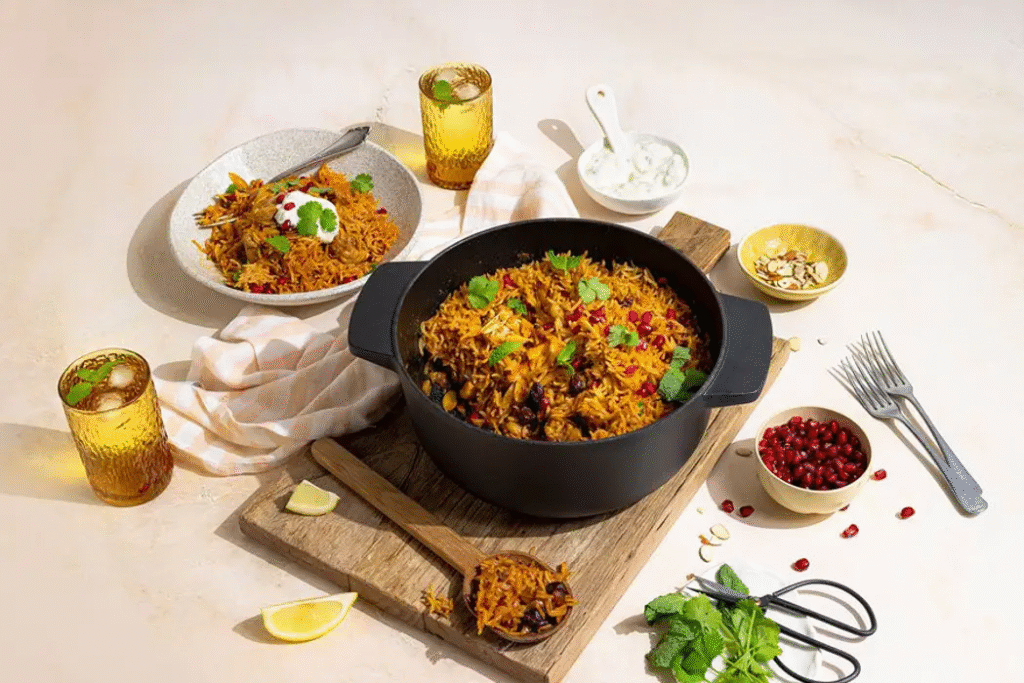
Plan a few meals ahead. You do not need to prepare an entire week’s menu. Even deciding on three or four meals can make shopping and cooking easier.
Keep versatile ingredients available. Ingredients that work across multiple dishes can reduce waste and make last-minute meals simpler.
Prepare ingredients in advance. Washing vegetables, preparing sauces, or cooking basic ingredients ahead of time can reduce cooking time later.
Food Technology Is Changing the Kitchen
Technology has become part of modern food preparation as well. From smart kitchen appliances to recipe apps and digital meal planners, technology can make cooking more convenient.
AI-powered tools are also being used to help people generate recipe ideas, organize ingredients, adapt recipes, and plan meals around specific preferences.
For example, someone with a few ingredients in their refrigerator can use a digital recipe assistant to find possible meal combinations instead of immediately going grocery shopping.
However, technology works best as a supporting tool. Basic cooking knowledge, food safety, and sensible ingredient choices remain important.
Sustainable Food Choices
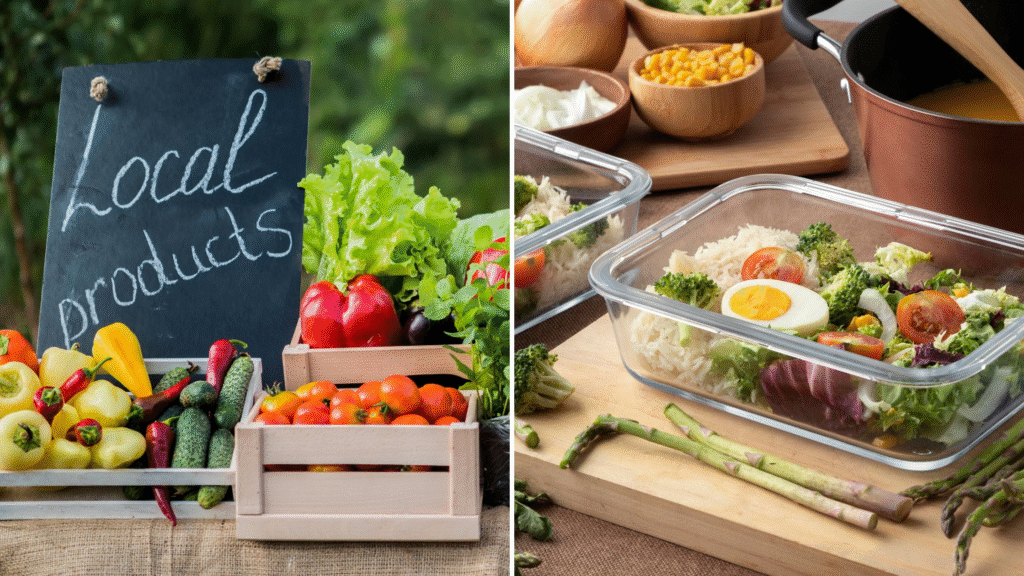
Sustainability is another important part of the modern food conversation. People are increasingly interested in where their food comes from, how it is produced, and how much gets wasted.
Making more sustainable choices does not necessarily require completely changing your diet.
Small actions can make a difference:
- Plan meals around ingredients you already have.
- Store food properly to reduce spoilage.
- Use leftovers creatively.
- Choose seasonal ingredients when practical.
- Avoid buying more food than you can reasonably use.
- Explore plant-based meals if they suit your preferences.
Reducing food waste is particularly practical because it can benefit both the environment and your household budget.
Food Trends to Watch in 2026
Food trends can change quickly, but several themes continue to shape how people explore food.
1. Personalized Food Experiences
People increasingly want meals that match their individual tastes, dietary preferences, lifestyles, and routines.
2. Convenient Cooking
Quick recipes and practical meal solutions remain appealing to people with busy schedules.
3. Global Flavor Exploration
People continue to experiment with international flavors and combine ideas from different culinary traditions.
4. More Interest in Food Origins
Consumers are increasingly curious about ingredients, sourcing, production methods, and sustainability.
5. Creative Home Recipes
Social media continues to encourage people to recreate trending recipes and put their own twist on familiar dishes.
How to Make Everyday Meals More Interesting
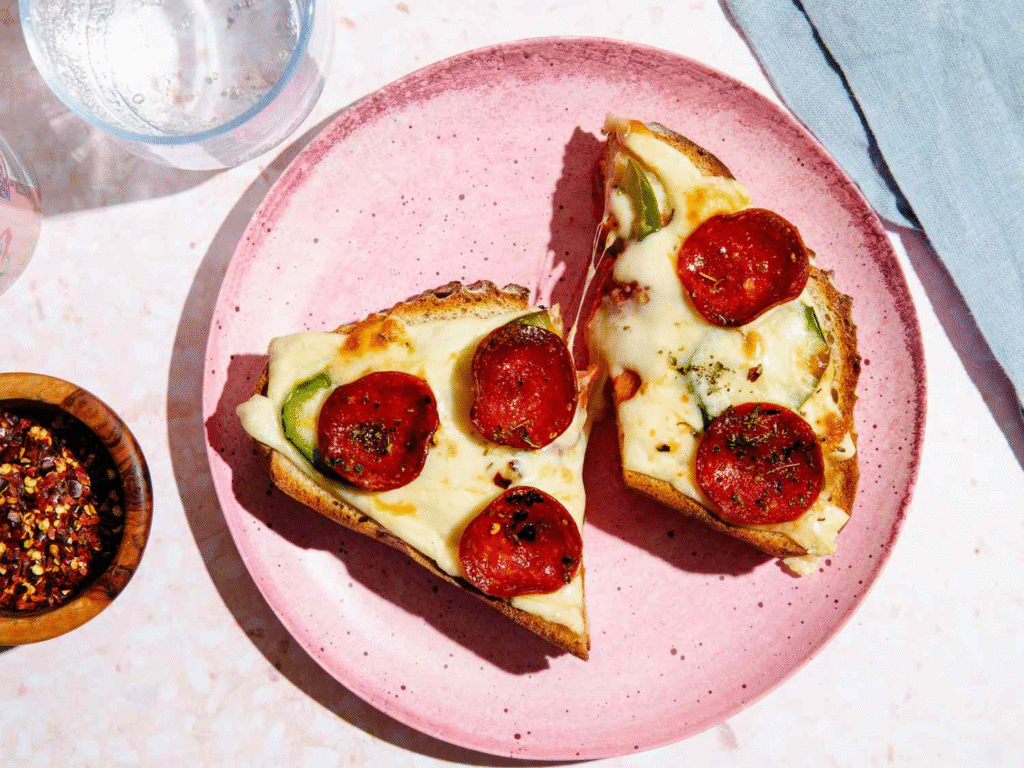
You do not need to follow every food trend to enjoy better meals. Sometimes, a few small changes are enough.
Try changing the texture of a dish by roasting instead of boiling. Add a fresh herb or homemade dressing. Experiment with a different spice combination. Serve a familiar meal in a new format.
For example, leftover vegetables can become a filling for wraps, a topping for toast, an addition to pasta, or part of a grain bowl.
The idea is simple: use what you already have creatively before buying something new.
Food Is Also About Experience
Food is closely connected to experiences. A family recipe can remind you of home. A meal during travel can become part of a memorable trip. Cooking with friends can turn an ordinary evening into something special.
That is why food trends are not only about ingredients or recipes. They also reflect how people connect, celebrate, discover, and express themselves.
Whether you are preparing a quick weekday meal or experimenting with a completely new cuisine, the experience matters just as much as the final plate.

Beauty 2026: Discover New Trends & Smarter Beauty Choices
Beauty is constantly evolving. New skincare ingredients, makeup styles, haircare routines, beauty technologies, and self-care…
Food 2026: Explore New Flavors, Recipes & Food Trends
Food is much more than something we eat to stay energized Food . It is…

Meditation vs. Exercise for Mental Wellness: Which Is Better?
Getting your body and mind ready for sleep shouldn’t feel like another high-pressure task on…

Emerging Tech Terms 2026: Vibe Coding, Digital Provenance & More
For years, keeping up with tech felt like a full-time job. Every few months, a…

Eye Care & Makeup 2026: Simple Tips for Healthy, Beautiful Eyes
There is something instantly captivating about a person’s eyes. Long before you notice someone’s outfit,…

Best Vintage Cars 2026: Iconic Classic Models & What Makes Them Special
There is a distinct, undeniable sensation when you slide behind the wheel of a classic…