

Having healthy nails is not just about keeping them looking pretty or polished for a salon-ready aesthetic. The state of your fingernails and toenails often says a lot about how well you take care of your hands, feet, and overall daily hygiene. Moving into 2026, the entire beauty and wellness world is shifting toward simple, gentle routines, straightforward products, and sensible maintenance rather than long, complicated, or damaging chemical treatments.
Whether your nails are constantly brittle, dry, peeling, or just in desperate need of some basic attention, building a simple, realistic routine can make a night-and-day difference. Taking care of your nails does not need to feel like a full-time job. With a few mindful adjustments to your daily life, you can keep your hands and feet looking strong, clean, and well-cared for all year long.
Why Everyday Nail Care Really Matters
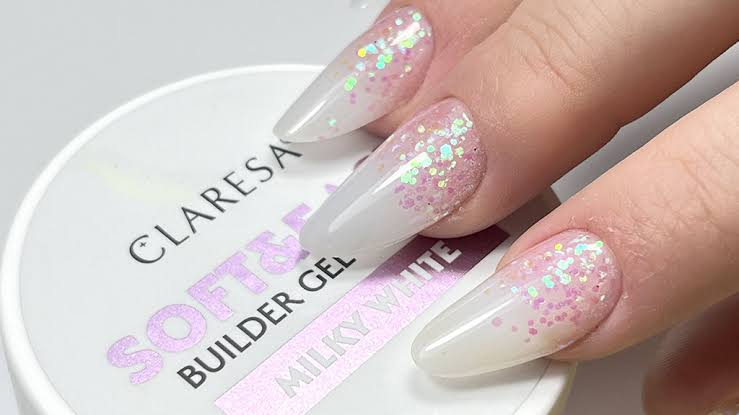
Think about everything your hands go through in a single day. From typing on keyboards, washing dishes, and handling harsh household cleaners to using hand sanitizers and applying layers of polish or acrylics—your nails take a beating. Ignoring basic maintenance can lead to frustrating problems like painful snags, peeling layers, ragged hangnails, and irritated cuticles.
Taking care of your nails is about keeping both the nail plate and the delicate skin around it hydrated, clean, and protected. You do not need to spend a fortune on high-end luxury products or dedicate hours every weekend to a complex ritual. Practicing small, low-effort habits on a consistent basis yields far better results than an expensive monthly salon quick-fix.
The Minimalist Nail Care Arsenal for 2026
You do not need a bathroom cabinet crammed with dozens of specialty tools to get great results. A streamlined kit with a few trustworthy, clean staples is all it takes to keep your hands and feet in top shape.
| Essential Tool / Product | Primary Function | What to Look For |
| Mild Hand Soap | Cleans skin and nails without stripping natural oils | Hydrating formulas with glycerin, aloe, or gentle plant cleansers |
| Rich Hand Cream | Restores lost moisture to skin and nail beds | Ingredients like shea butter, ceramides, or jojoba oil |
| Nail & Cuticle Oil | Softens rough cuticles and prevents brittle cracking | Lightweight plant oils (jojoba, sweet almond, or vitamin E) |
| Glass/Crystal Nail File | Shapes nails smoothly without causing micro-tears | Fine-grit glass that seals nail edges effortlessly |
| Quality Nail Clippers | Trims excess length neatly without cracking the nail | Sturdy stainless steel with sharp, curved or straight blades |
| Acetone-Free Remover | Removes polish without severely dehydrating the nail | Soy-based or oil-infused removers that nourish while cleaning |
| Protective Household Gloves | Shields hands from water damage and harsh chemicals | Reusable rubber or silicone gloves with a comfortable lining |
Step-by-Step: How to Build an Effortless Routine

Creating a sustainable care habit comes down to knowing what to do daily, weekly, and monthly. Here is a simple, stress-free schedule you can easily fit into a busy lifestyle.
Daily Habits for Stronger Nails
- Keep them clean and dry: Wash your hands thoroughly using warm water and mild soap, then dry them completely. Trapped moisture around the nail bed creates an ideal environment for unwanted fungal or bacterial growth.
- Moisturize generously: Apply a rich hand cream right after washing your hands while your skin is still slightly damp. Keep a small bottle of cuticle oil on your desk or nightstand to massage around your cuticles before sleeping.
- Wear protective gloves: Whenever you wash dishes, clean the bathroom, or work in the garden, slip on a pair of household gloves. Prolonged soaking in soapy water swells the nail structure, making it weak and prone to splitting once it dries out.
- Stop using nails as tools: Resisting the urge to pry open soda cans, scrape off price tags, or pick at stubborn stickers with your fingernails will instantly cut down on chips and painful snaps.
Weekly Maintenance Essentials

- Trim and shape gently: Use clean clippers to take down length if needed, then smooth out rough or jagged edges with your nail file.
- Give cuticles some extra love: After a warm shower when the skin is soft, gently wipe around your cuticles with a damp washcloth to clear away dead skin. Never cut or aggressively hack away at your cuticles, as they act as a natural seal protecting new nail growth from infection.
- Clean your tools: Sanitize your clippers, glass files, and pushers with a splash of rubbing alcohol to prevent bacteria from building up over time.
       [ Clean & Dry Hands ]
                 │
                 ▼
     [ Apply Cuticle & Hand Oil ]
                 │
                 ▼
  [ Gently File Edges (One Direction) ]
                 │
                 ▼
[ Protect with Gloves During Chores ]
Filing Your Nails the Right Way
Believe it or not, there is a right and a wrong way to file your nails. Most people grab a rough file and saw rapidly back and forth across the tip. This aggressive motion generates heat, frays the keratin layers of your nail, and creates tiny micro-tears that turn into full-blown peels and splits later on.
Instead, switch to a fine-grit glass file. Place the file at a slight angle along the edge of your nail and fluidly sweep it from the outer corner toward the center in one continuous direction. Lift the file, return to the outer edge, and repeat until you achieve a smooth shape. Softly rounded, oval, or squoval (square with rounded corners) shapes generally hold up best against daily wear and tear.
How to Safely Break Free From Habitual Biting and Picking
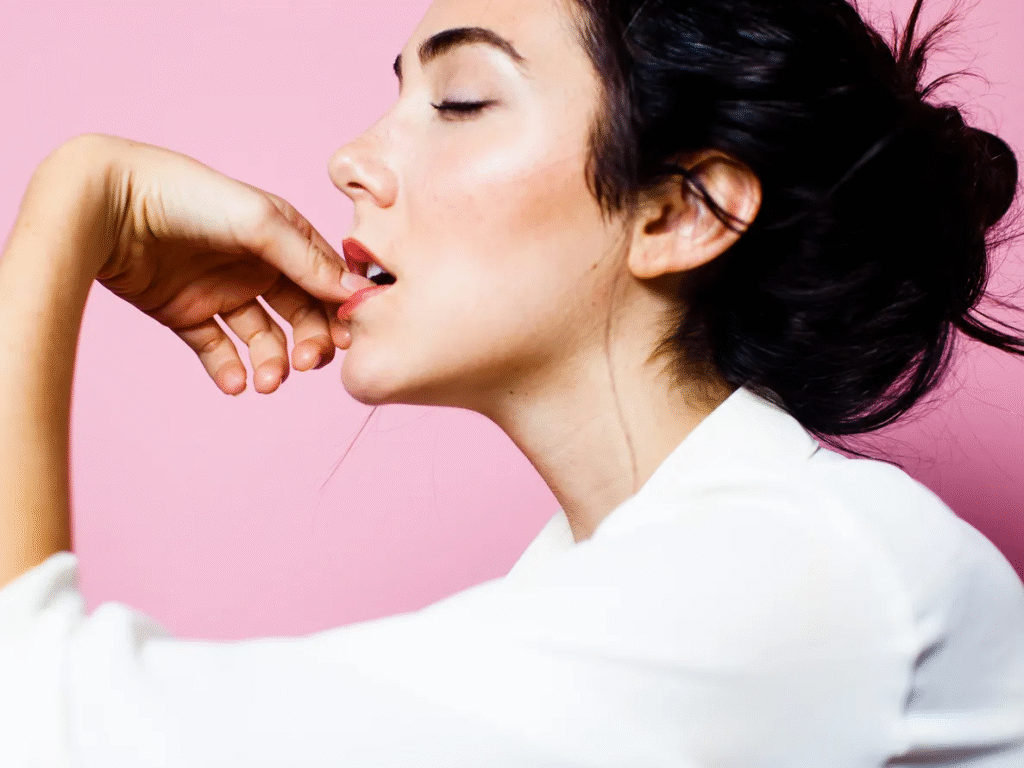
Nail biting and picking at ragged cuticles are incredibly common habits, often triggered by stress, boredom, or simple anxiety. Unfortunately, these habits break down the protective barrier of your fingertips, leave painful raw skin vulnerable to infections, and transfer germs directly from your hands into your mouth.
If you struggle with nail biting, try these practical strategies to curb the urge:
- Keep them short and neat: Trimming your nails short leaves very little edge to catch between your teeth or tempt you to pick.
- Use bitter-tasting polishes: Apply an over-the-counter anti-bite polish. The harmless but intensely bitter taste acts as an instant conscious reminder whenever your hands drift toward your mouth.
- Keep your hands busy: Use stress balls, fidget tools, or chewable oral accessories when working or watching television to redirect nervous energy.
- Reward yourself with neat manicures: Keeping your nails painted with a clear coat or a neat color often creates a mental hurdle that stops you from ruining your hard work.
Taking Smart Breaks From Gel, Acrylics, and Extensions
Gel polishes, acrylic extensions, and press-on nails can look stunning, but wearing them back-to-back without breaks eventually takes a heavy toll. Over time, the aggressive surface prep, heavy electric drilling, and prolonged chemical soaking can leave your natural nails thin, weak, soft, and sensitive.
[ Gel / Acrylic Application ] ──► [ 2 to 3 Weeks Wear ] ──► [ Gentle Professional Removal ]
                                                                      │
                                                                      ▼
 [ Healthy Natural Nails ] ◄── [ Daily Oil & Hydration ] ◄── [ 1 to 2 Weeks Recovery Break ]
Pay close attention to how your natural nails look and feel between salon visits. If you notice persistent thinning, bending, peeling, or heightened temperature sensitivity, it is time for a recovery break. Dedicate a couple of weeks to bare nails, applying cuticle oil daily and keeping length short until the natural structure regains its strength.
Above all, never pick, scrape, or peel off gel polish or artificial enhancements yourself. Peeling off trapped gel forcefully strips away the top protective layers of your natural nail plate, causing damage that can take months to grow out.
Feeding Your Nails From the Inside Out
Topical creams and oils work wonders on the surface, but strong, healthy nails are ultimately built from the inside out. Your nails are made of a tough protein called keratin, and their growth rate and resilience depend heavily on your overall nutritional intake.
Instead of rushing to buy expensive hair-and-nail dietary supplements right away, start by evaluating your everyday diet. Focus on incorporating a colorful variety of whole foods into your daily meals:
- Lean Proteins: Eggs, poultry, fish, tofu, beans, and lentils provide the essential amino acids necessary for building sturdy keratin.
- Healthy Fats: Walnuts, chia seeds, flaxseeds, salmon, and avocados provide omega-3 fatty acids that naturally hydrate dry, brittle nails.
- Vitamins and Minerals: Dark leafy greens, bell peppers, berries, nuts, and seeds offer iron, zinc, magnesium, and B vitamins that keep the nail bed well-nourished and healthy.
- Hydration: Drink plenty of water throughout the day. Dehydration affects your nails just as much as it affects your skin, leaving them rigid, dull, and prone to cracking.
Common Nail Care Mistakes to Ditch in 2026
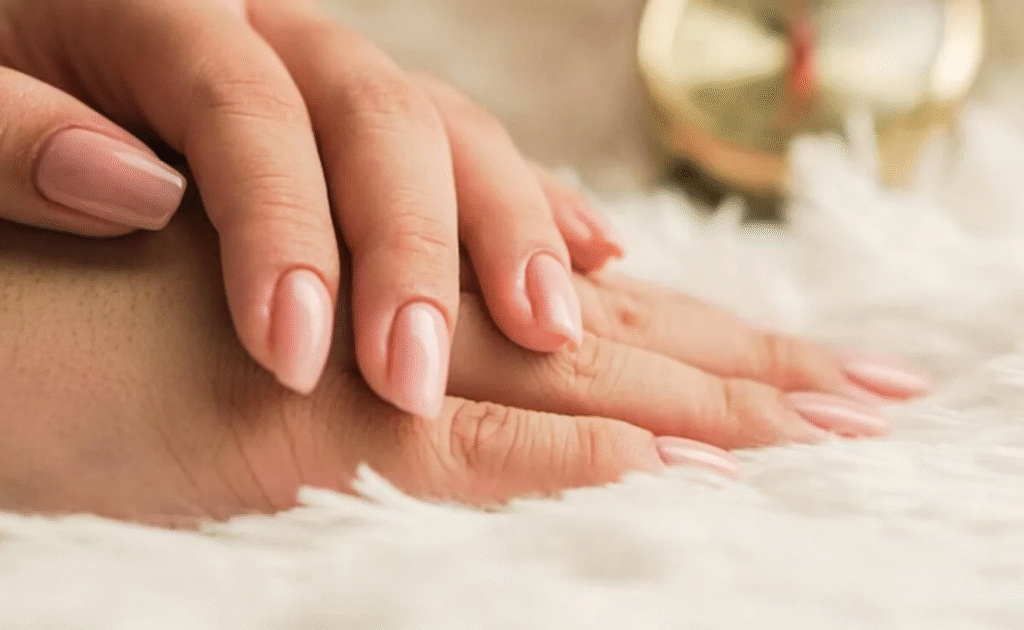
Even with the best intentions, a few sneaky everyday habits can end up undermining your hard work. Steer clear of these frequent mistakes to keep your nails looking their best:
- Trimming cuticles with sharp nippers: Cutting live cuticle tissue leaves open wounds that easily get infected. Stick to moisturizing and gently pushing them back with a soft cloth.
- Sharing personal manicure tools: Sharing clippers, files, or buffers with friends or family members can easily spread unwanted bacterial or fungal infections. Keep your own set private and clean.
- Soaking nails in acetone for too long: Pure acetone strips away almost all moisture from the nail plate and skin. Use non-acetone removers whenever possible, or limit acetone exposure strictly to the areas covered in polish.
- Ignoring early red flags: Trying to mask dark discoloration, crumbling edges, or painful swelling under layers of heavy dark polish only allows underlying issues to get worse behind the scenes.
Recognizing When to See a Doctor
While most minor nail issues can easily be managed with good home habits, some symptoms require professional medical advice. If you notice any of the following signs, schedule a visit with a dermatologist or healthcare provider:
- Unexplained dark streaks or dark spots beneath the nail plate.
- Thickened, yellowed, or crumbling nails that separate from the skin.
- Persistent redness, throbbing pain, warmth, or pus around the cuticles.
- Nails that curve downward dramatically or develop deep horizontal grooves.
- Sudden, severe changes in nail shape or texture that do not improve over time.
The Bottom Line
Achieving strong, healthy-looking nails in 2026 does not require a drawers-full of complicated products or hours spent sitting in salon chairs. True nail health comes down to basic, sustainable habits: keeping your hands clean, protecting them from harsh chemicals, moisturizing daily, filing gently, and feeding your body nourishing foods. By taking a minimalist, protective approach to your hands and feet, you can enjoy naturally beautiful, resilient nails every day of the year.